
We need more engineers.
Now

The past 40 years of American Industry were defined by offshoring and outsourcing. The fall of the Soviet Union, the plummeting cost of intercontinental shipping and the rapid rise in capability of internet-based telecommunications all allowed large manufacturing businesses to slash input costs by spreading their supply chains and production capacity across the world. This created enormous wealth and economic growth, but also left our domestic manufacturing economy less robust and less capable. The twin shocks of COVID-19 lockdowns and war in Ukraine made it abundantly obvious that the world of the 1990s is gone and new geopolitical and economic reality is here. Domesticating manufacturing is a top priority for economic stability and national defense.
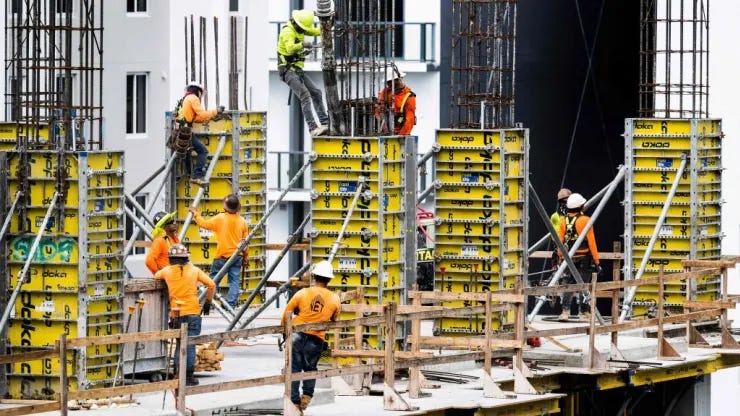
My line of reasoning is simple. We need more factories. Engineers work in factories. Therefore, we need more engineers. However, the current state of engineering training and workforce development is in disarray. 3 in 5 students who begin an engineering degree finish it and only 1 in 4 engineering graduates actually work as engineers.
I believe this issue is three-fold:
First, the feedback loops and incentives of academia are not aligned at all with the requirements of industry. Graduates of university engineering programs are not prepared for the work industry requires.
Second, due to Urban Agglomeration economics, the geography of engineering and manufacturing is significantly more concentrated than most people would imagine. This leads to geographic mismatch between where engineers are trained and where they actually work.
Third, engineering and manufacturing companies are competing in the labor market with other businesses and industries with different, more advantageous, revenue and cost structures. Getting the right people into the right role is essential for jumpstarting the American manufacturing economy and I believe the three issues listed above are solvable.
Long-time readers of this blog will be a bit surprised, because my first post highlighted evidence pointing to a surplus of engineers rather than a shortage. Many things have shifted since that time. The economic and political climates have shifted. The culture has shifted. There is a growing awareness for the necessity of more domestic manufacturing. There as been a pronounced increase in investment in American manufacturing businesses and facilities.
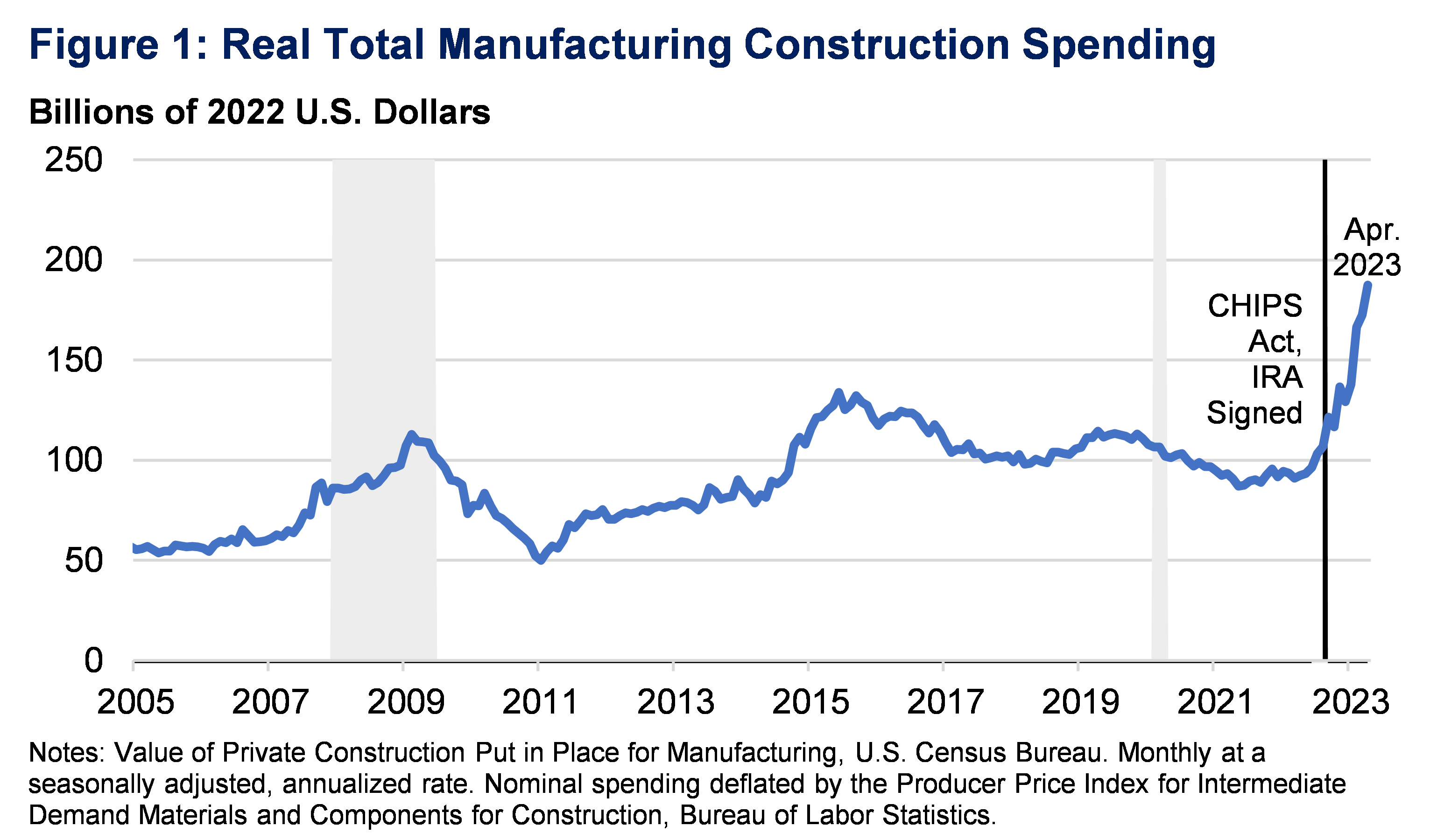
Over the past 6 months, I’ve explored the economic pressures affecting the labor markets for engineers in the United States and I’ve explored how engineers are currently trained. I believe that working as a practicing engineer is essential to being informed about the engineering and manufacturing economy. As a result, I’ve reached the point in my research where a deeper dive would require more time than I currently have.
This is a long introduction to a simple question: who has experience bootstrapping and/or funding research projects that are not affiliated with traditional research organizations like Universities and NGOs? I want to talk.